Your Kilimanjaro Questions Answered
Planning to climb Mount Kilimanjaro (5,895m/19,341ft), Africa’s highest peak? Kilimanjaro Explore, with a 98%+ summit success rate across 20,000+ ascents since 2021, answers the most frequently asked questions to prepare you for a safe and successful 2025 climb.
1. Where is Kilimanjaro?
Location: Mount Kilimanjaro is in Tanzania, East Africa, approximately 350 km south of the equator.
Nearest Towns: Moshi (30 km away) and Arusha (80 km away), both accessible via Kilimanjaro International Airport (JRO).
Access: Most climbers fly into JRO, with transfers to Moshi or Arusha for pre-climb briefings.
2. How High Is Kilimanjaro?
Height: 5,895m (19,341ft), making it Africa’s tallest peak and the world’s highest freestanding mountain.
Zones: Spans five climate zones, from tropical rainforest (800m) to arctic summit (5,895m) (see Temperature Guide).
Challenge: Altitude, not technical skill, is the primary hurdle, requiring acclimatization.
3. What Kind of Experience Do I Need?
Experience: No technical climbing skills required; Kilimanjaro is a trekking peak.
Fitness: Moderate to high fitness for 4–6 hours daily hiking (12–14 hours on summit day). Endurance is key.
Training: 3–6 months of hiking (6–8 hours with a 10–15kg backpack), running, or strength training (see Training Guide).
Who Can Climb: Beginners with preparation succeed, especially on longer routes like 8-day Lemosho (95% success).
Tip: Practice hiking at elevation if possible to simulate conditions.
4. What Gear Do I Need?
Essentials:
Clothing: Layered system (moisture-wicking base, fleece, down jacket, waterproof shell), balaclava, ski mittens (see Summit Night Guide).
Footwear: Broken-in, waterproof boots, thermal socks, liners, gaiters.
Accessories: Headlamp (200+ lumens), polarized sunglasses, SPF 50+ sunscreen/lip balm.
Other: 20–30L daypack, 3L water bladder + 1L bottle, sleeping bag (-18°C rating).
Tip: Test all gear on training hikes; avoid new items to prevent discomfort.
5. Can I Shower on Kilimanjaro?
Showers: No showers are available on the mountain due to remote campsites and water conservation.
Alternatives: Bring biodegradable wet wipes for daily hygiene. Kilisherpas provides warm water basins for washing hands/face at camps.
Post-Climb: Hotels in Moshi/Arusha offer showers before/after the climb.
Tip: Pack travel-sized wipes and dry shampoo for freshness.
6. How Long Is the Hike?
Duration: 5–9 days, depending on the route:
5–6 days: Marangu or Rongai (44–65% success rate, higher AMS risk).
7 days: Machame, Lemosho (80–85% success).
8–9 days: Lemosho, Northern Circuit (90–95% success, best acclimatization).
Daily Hiking: 4–6 hours, except summit day (12–14 hours).
Distance: 50–70 km (31–43 miles), e.g., Machame (~62 km), Lemosho (~70 km).
7. How Much Will It Cost?
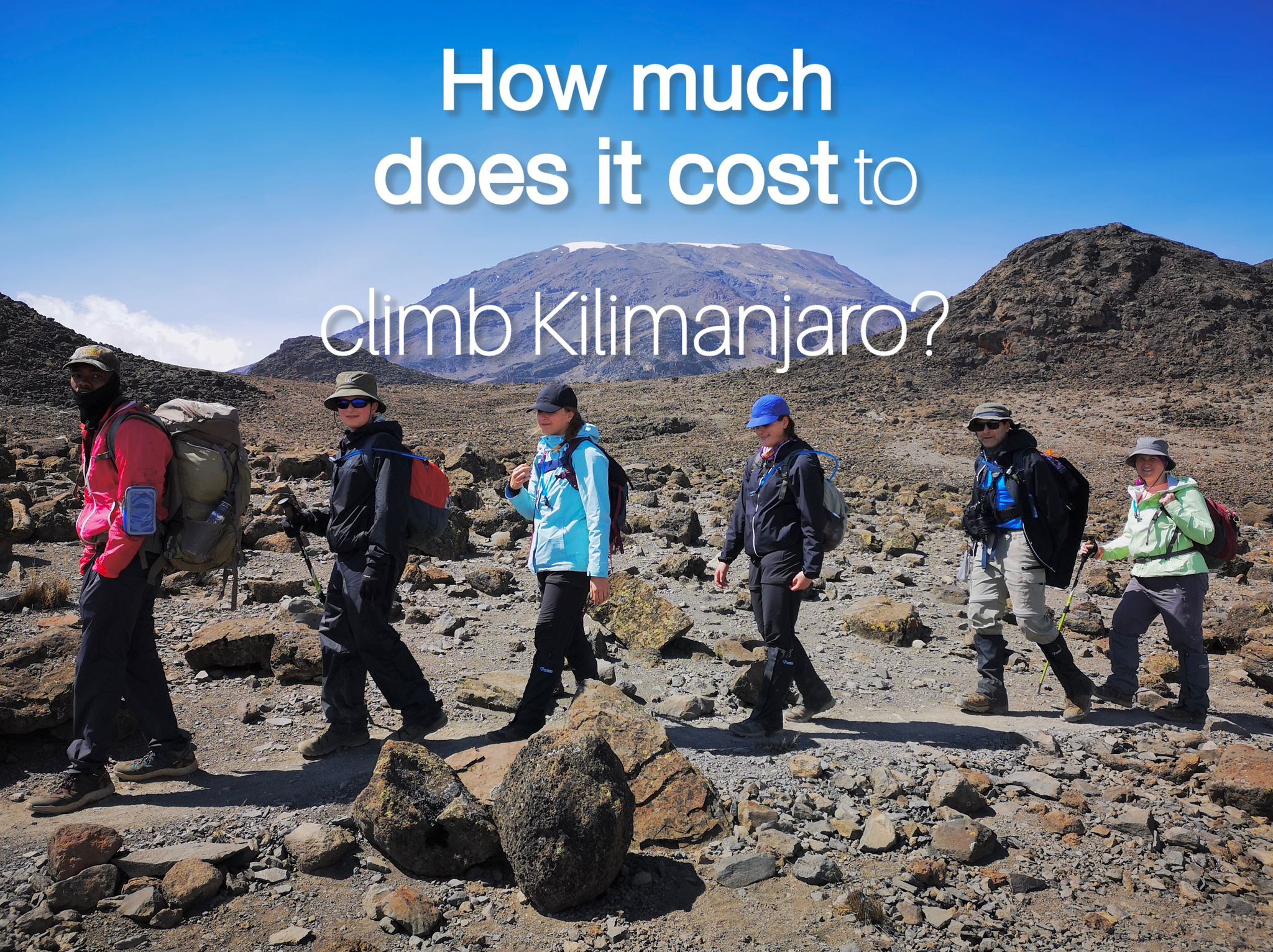
Range: $2,000–$3,500, depending on route, duration, and operator.
Tip: Avoid budget operators; prioritize KPAP-compliant companies like Kilisherpas for fair porter treatment.
8. What Will I Eat? (Vegetarian Options)
Meals: Kilimanjaro Explore provides fresh, high-calorie meals (e.g., pasta, soups, vegetables, fruits) to fuel climbs.
Vegetarian Options: Fully accommodated with dishes like veggie stir-fries, lentil stews, and egg-based meals. Specify dietary needs when booking.
Snacks: Bring high-calorie, non-perishable snacks (nuts, protein bars, hard candy) for summit day (see Success Guide).
Tip: Pack favorite vegetarian snacks (e.g., dried fruit, veggie jerky) for comfort.
9. Where Does the Water Come From?
Source: Collected from mountain streams, treated with purification tablets (e.g., Aqualab) for safety.
Availability: Provided at campsites; carry 3–4L daily for hiking.
Gear: Use a 3L water bladder + 1L bottle; add electrolyte packets for flavor.
Summit Night: Bottles prevent freezing, unlike bladders.
Tip: Drink 4–5L daily to combat dehydration and AMS (see Success Guide).
10. Do We Sleep in Hotels?
On the Mountain: No hotels; sleep in weatherproof tents at campsites (e.g., Baranci Camp at 4,900m on Lemosho).
Before/After Climb: Stay in hotels in Moshi or Arusha
Tents: We provides high-quality, double-occupancy tents with inflatable mats.
Tip: Bring a warm sleeping bag (-18°C rating, rent for $50) and earplugs for better rest.
11. What Dangers Are There on the Mountain?
Altitude Sickness (AMS): Risk above 2,500m; symptoms include headaches, nausea. Mitigated by longer routes (e.g., 8-day Lemosho) and hydration.
Weather: Sub-zero temps (-20°C on summit night), wind, rain/snow (see Temperature Guide).
Terrain: Loose scree, steep inclines (e.g., Barranco Wall). Gaiters and poles help.
Health: Minor risks like blisters or dehydration; rare wildlife encounters (e.g., snakes in lower zones).
Safety with Kilimanjaro Explore: WFR-certified guides, twice-daily health checks, oxygen, and helicopter evacuation partnerships.
Tip: Follow “pole pole” pacing and guide advice to minimize risks.
12. Do We Tip the Hiking Crew?
Tipping: Customary to tip guides, porters, and cooks for their hard work.
Guidelines:
Per climber: $400 minimum
Group Size: 3–4 porters per climber, 1–2 guides, 1 cook (e.g., $400 total for a solo climber).
Why: Porters rely on tips for fair wages; we’re KPAP-compliant for ethical treatment.
Tip: Budget 20–25% of the trip cost for tips; distribute fairly with guide assistance.
13. How Old Should I Be to Climb?
Minimum Age: 10 (per park rules), but 16+ recommended for stamina and altitude tolerance.
Ideal Range: 18–60; fitness matters more than age.
Older Climbers: 60+ climbers succeed with strong preparation (e.g., 70-year-olds on 8-day Lemosho).
Considerations: Consult a doctor for pre-existing conditions; train for endurance.
Tip: Teens and seniors thrive on longer routes with gradual acclimatization.
14. Will I Make It to Uhuru Peak?
Success Factors:
Route Choice: 8-day Lemosho (98% success) or Northern Circuit (90%) vs. 5-day routes (44%).
Preparation: 3–6 months training, proper gear, hydration, and mindset (see Success Guide).
Guides: Kilimanjaro Explore WFR-certified team boosts success with health monitoring and pacing.
Mindset: Positivity and “pole pole” pacing overcome doubts.
15. What is the recommended weight for our day pack?
We would recommend that you carry no more than 10kg. The average is 7kg. You only need to carry the essentials (3 L drinking water, valuables, camera, lunch/snacks, rain layer…). The rest of the items you can leave with porters to carry.
Why Climb with Kilimanjaro Explore?
High Success: 98% summit rate on 8-day Lemosho
Safety: Oxygen, health checks, and evacuation protocols.
Support: Gear rentals, training plans, and pre-trip consultations.
Ethics: KPAP-compliant, ensuring fair porter wages.
Ready to Conquer Kilimanjaro?
From gear to tipping, Kilimanjaro Explore answers your questions for a triumphant climb. Book now, download our Packing List, or explore our hiking tours.